





































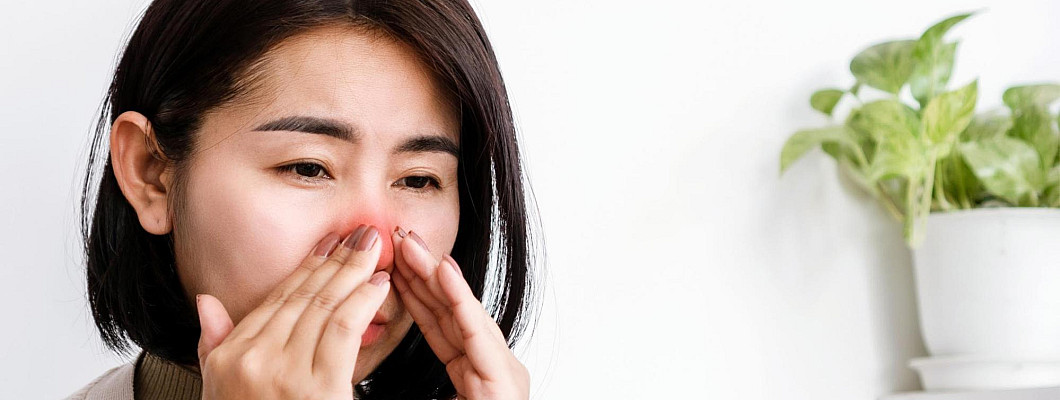
Post-nasal drip, often simply referred to as PND, is a common yet bothersome condition where excess mucus accumulates in the back of the nose and throat, causing discomfort and a persistent need to clear the throat. While not typically serious, post-nasal drip can significantly affect quality of life. Fortunately, there are several natural treatments that can help alleviate symptoms and address the underlying causes.
Understanding Post-Nasal Drip
What is Post-Nasal Drip?
Post-nasal drip occurs when the glands in your nose and throat produce excess mucus. This mucus can then drip down the back of the throat, leading to a range of symptoms including throat irritation, coughing, and difficulty swallowing. Normally, mucus helps to keep the respiratory tract moist and free from dust, bacteria, and other pollutants. However, when mucus production increases or its consistency changes, it can become problematic.
There are several potential causes of post-nasal drip, including:
Allergies: Seasonal allergies or hay fever can trigger an overproduction of mucus.
Infections: Sinus infections, colds, and the flu can all lead to increased mucus production.
Environmental Irritants: Things like smoke, pollution, or strong odors, can trigger the nasal passages.
Weather Changes: Cold weather or dry air can cause the nasal passages to produce more mucus.
Hormonal Changes: Pregnancy and certain medications can affect mucus production.
Food Sensitivities: Dairy products, spicy foods, and alcohol can sometimes trigger post-nasal drip in sensitive individuals.
Symptoms of PND
Symptoms of post-nasal drip can vary but often include:
A sensation of mucus draining down the back of the throat
Frequent throat clearing
A sore or scratchy throat
Coughing, particularly at night
Hoarseness or a change in voice
Bad breath
Natural Treatments for Post-Nasal Discharge

Stay Hydrated
One of the simplest and most effective ways to manage post-nasal drip is to stay well-hydrated. Drinking plenty of fluids helps thin the mucus, making it easier to expel and reducing throat irritation. Make sure to drink at least eight glasses of water a day Herbal teas, especially those with ginger or chamomile, can also be soothing.
Use a Humidifier
Dry air can exacerbate post-nasal drip, particularly during the winter months when indoor heating is common. Using a humidifier can add moisture to the air, preventing the nasal passages from drying out and reducing mucus production.
Practice Nasal Irrigation
Nasal irrigation, or nasal rinsing, involves flushing out the nasal passages with a saline solution. This can help clear excess mucus and allergens, providing immediate relief. A neti pot or saline spray can be used for this purpose. Make sure to use distilled or boiled water that has been cooled to avoid introducing bacteria into the nasal passages.
Elevate Your Head While Sleeping
Elevating your head while sleeping can help prevent mucus from pooling in the back of the throat. Use an extra pillow or a wedge pillow to keep your head and neck elevated. This position can facilitate better drainage and reduce night time coughing.
Steam Inhalation
Inhaling steam can help moisten the nasal passages and thin out mucus. Boil a pot of water, remove it from the heat, and lean over it with a towel draped over your head to trap the steam. Breathe deeply for several minutes. Adding a few drops of eucalyptus or peppermint oil can enhance the decongestant effect.
Consume Anti-Inflammatory Foods
Incorporating anti-inflammatory foods into your diet can help reduce the overall inflammation in your body, including in your nasal passages. Foods rich in omega-3 fatty acids, such as salmon and flaxseeds, as well as fruits and vegetables high in antioxidants, can be beneficial.
Avoid Mucus-Producing Foods
Certain foods can increase mucus production and should be avoided if you are prone to post-nasal drip. Dairy products, sugary foods, and processed foods can contribute to thicker mucus. Identifying and eliminating these triggers from your diet can help manage symptoms.
How homeopathy can help in treating PND?
In treating post-nasal drip, the following homeopathic remedies are often recommended:
Kali bichromicum 30:
Use: This remedy is commonly used for thick, stringy nasal mucus that is difficult to expel. It is indicated when the post-nasal drip leads to thick, yellow or green discharges, and the patient experiences sinus congestion and pressure, often leading to sinusitis.
Mechanism: Kali bichromicum is believed to help by addressing the underlying inflammation and promoting the drainage of the thick mucus.
Hydrastis Canadensis 30:
Use: Known as Golden Seal, Hydrastis Canadensis is used for thick, ropy secretions from the mucous membranes. It is particularly effective when there is a sensation of dryness and soreness in the nasal passages and throat.
Mechanism: This remedy works by stimulating the immune response to clear up infections and reduce mucosal inflammation, thereby alleviating post-nasal drip.
Lemna minor Q:
Use: This remedy is derived from the duckweed plant and is used when there is swollen nasal mucosa, polyps, or a blocked sensation in the nose, often worsening in damp weather.
Mechanism: Lemna minor is believed to shrink swollen tissues and polyps in the nasal passages, reducing obstruction and facilitating mucus drainage.
Corallium Rubrum 30:
Use: This remedy is indicated for severe, spasmodic coughs that can accompany post-nasal drip, especially if the mucus irritates the throat, leading to bouts of coughing.
Mechanism: Corallium Rubrum helps by reducing the sensitivity of the mucous membranes and controlling the cough reflex.
Dr. Reckeweg R49:
Use: This is a combination remedy specifically formulated to address sinusitis and catarrh, which are common causes of post-nasal drip.
Mechanism: R49 combines several homeopathic ingredients to reduce inflammation, promote mucus drainage, and improve overall respiratory health.
In summary, these homeopathic remedies aim to alleviate post-nasal drip by targeting the underlying causes such as inflammation, mucus production, and tissue swelling, thereby enhancing the body's natural ability to clear the mucus and reduce associated symptoms.

Conclusion

While post nasal discharge can be bothersome, homeopathy remedies provide effective relief without the side effects associated with some medications. By incorporating these holistic approaches into your daily routine, you can alleviate symptoms and improve your overall respiratory health. As always, if symptoms persist or worsen, consult a healthcare professional to rule out more serious underlying conditions.
Leave a Comment