

































Psoriasis is a chronic skin disease that manifests itself through the formation of red, thick, scaly plaques on the surface of the skin. It is considered an autoimmune disease: in this disease, the immune system mistakenly attacks the body's healthy cells, causing an excessive production of skin cells.
The exact causes of psoriasis are not yet fully understood, but it is believed that a combination of genetic and environmental factors contribute to its development, including stress, infections, skin trauma, smoking, alcohol, certain medications, and hormonal fluctuations.
Psoriasis can affect any part of the body but is most common on the knees, elbows, scalp, hands, and feet. Skin lesions can vary in severity and spread, from mild and localized to severe and extensive.
This condition can have a significant impact on the quality of life of those affected, as it can cause itching, discomfort, and social embarrassment due to the appearance of the skin lesions. In addition to the skin manifestation, psoriasis can be associated with conditions such as psoriatic arthritis, which affects the joints, and health problems such as diabetes, cardiovascular disease, and depression.
Natural tips and tricks to manage psoriasis-
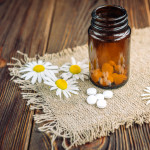
Psoriasis requires comprehensive management that may include specific medications therapies like homeopathy and lifestyle modifications.
While there is no definitive natural cure for psoriasis, there are some strategies and remedies that can help manage symptoms and reduce skin inflammation. However, it is important to note that these approaches can work differently for each individual and may not be effective for everyone.
Some practical tips to follow are:
Moisturizing your skin : Keeping your skin well hydrated can help reduce the itching and dryness that is typical of psoriasis. It is recommended to use moisturizers without added perfumes or colorants.
Himalayan Pink Salt or Epsom Salt Bath: Adding Himalayan pink salt or Epsom salt to your bath water can help soothe your skin and reduce inflammation. However, it is important not to soak in water that is too hot to avoid drying out your skin further.
Plant extracts: Some plant extracts, such as neem extract, turmeric extract, and milk thistle extract, have been studied for their potential anti-inflammatory and immunomodulatory properties.
Balanced diet: As with all diseases, following a healthy and balanced diet can also help in managing the symptoms of psoriasis. Some scientific studies suggest that eliminating foods high in sugar, saturated fats and processed foods and increasing the consumption of fruits, vegetables, fish and whole grains could have numerous benefits for skin health. Foods rich in vitamin C, antioxidants, zinc, selenium and beta carotene also help to counteract the progression of the disease.
Causes and symptoms of psoriasis
Psoriasis is a complex, personal and often unpredictable journey. It is not just a skin condition. It is a story that lives on the skin of those who suffer from it, influenced by many factors, both internal and external.
At the centre of it all is the immune system. In psoriasis, this system, which normally defends us from infection, goes haywire. It mistakenly attacks skin cells. This unwarranted assault speeds up the life cycle of skin cells. These cells, which usually take weeks to form and slough off, complete their cycle in a matter of days. The result? Buildup. Clusters of dead cells on the surface of the skin.
Genetics and environment join hands in the dance that leads to psoriasis. If there is a history of psoriasis in your family, the chances of encountering it along your path increase. And then there are environmental triggers: stress, infections, certain medications, and the climate. Each of these can light the spark in those who are predisposed.
Symptoms of Psoriasis

Psoriasis manifests itself in ways that are as varied as the people it affects. The most common? Plaques. Red, raised areas covered in silvery-white scales. These plaques can itch, burn, and appear anywhere, but they love elbows, knees, scalp, and back.
It's not just about the skin. Nails can tell their own story of psoriasis, marked by dimpling, thickening, or disconnection from the nail itself. And then there's psoriatic arthritis, where pain is felt in the joints, leading to swelling and sometimes deformity.
Your skin can act as an open diary, telling stories of flare-ups and remissions. Times when psoriasis makes itself felt strongly, and others when it retreats, almost as if pondering its next step.
Treating psoriasis with homeopathy
Treating psoriasis with homeopathic remedies involves a holistic approach, aiming to alleviate symptoms and improve overall well-being. Let's discuss several homeopathic medicines that are often used in managing psoriasis.
Arsenic album 30 is known for addressing dry, scaly skin and itching, especially when symptoms worsen in cold weather or at night. It helps in reducing the burning sensation and scaling.
Graphites 30 is particularly effective for thick, cracked skin with oozing discharge, common in chronic psoriasis. It helps to soften the skin and heal the cracks.
Sulphur 30 targets intense itching and burning sensations, especially when symptoms are aggravated by warmth. It’s useful for managing red, inflamed patches and improving overall skin health.
Hydrocotyle asiatica 30 is beneficial for excessive scaling and thickening of the skin. It aids in reducing the formation of new scales and improving skin texture.
SBL Bio-Combination 20 is a blend of homeopathic remedies that work together to alleviate skin symptoms, support immune function, and promote skin healing. It addresses dryness, scaling, and itching.
Dr. Reckeweg R65 is a specific combination remedy designed for psoriasis, which helps in reducing inflammation, itching, and scaling. It supports skin regeneration and improves overall skin condition.
Together, these homeopathic medicines offer a comprehensive approach to managing psoriasis, aiming to reduce symptoms, improve skin health, and enhance the body's natural healing processes. It's essential to consult a healthcare professional for personalized advice and treatment plans.
Conclusion
Despite the widespread discomfort, psoriasis is a chronic disease that does not compromise the well-being of the organism. The condition is halfway between a health problem and an aesthetic discomfort; for this reason, different treatment plan can be used to deal with it. Out of all, homeopathy is one option that can provide long term relief. You can also use homeopathic remedies for psoriasis I addition to any other treatment option simultaneously. To get better results, you have to take homeopathy medicines for atleast 3-5 months.

Leave a Comment