





































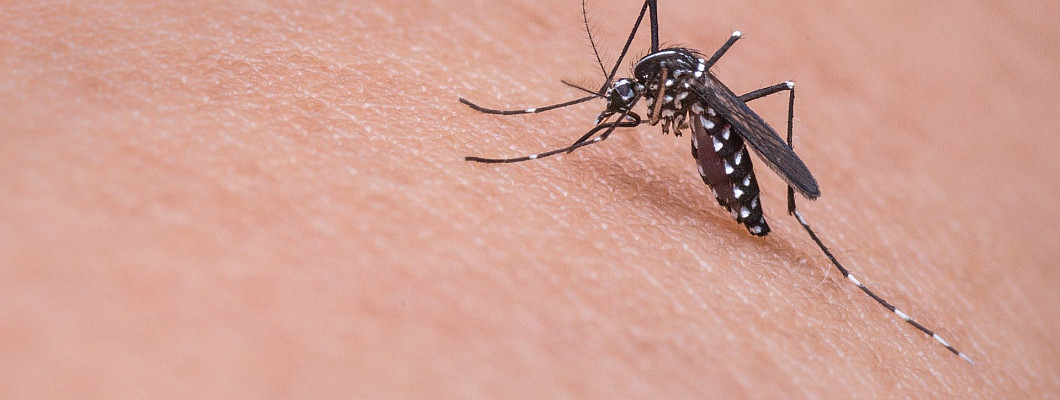
Yellow fever, a potentially fatal flu-like illness spread by mosquitoes, is serious and can be deadly. It is characterized by high fever and jaundice. This disease is also known as yellow fever. Jaundice refers to the yellowing of the skin or eyes. This disease is more common in South America and Africa. Although it isn't curable you can prevent it by using the yellow fever vaccine.
Recognizing the Signs and Symptoms Of Yellow Fever
Yellow fever is a rapidly-growing illness that can be seen three to six days following exposure. Initial symptoms are very similar to the flu virus. These symptoms include:
Headaches
Muscle aches
Joint aches
Chills
Fever
Phase Acute:
This phase lasts between three and four days. These are some of the most common symptoms:
Headaches
Muscle aches
Joint aches
A fever
Flushing
A loss of appetite
Shivers
backaches
Symptoms will start to disappear after the acute phase. Although many people recover from yellow fever in this stage, some will experience a more severe form of the condition.
Toxic Phase
For up to 24 hours, symptoms you felt in the acute phase might disappear. Symptoms that were present in the acute phase may disappear for up to 24 hours. Afterward, you will experience new, more severe symptoms. These are:
Reduced urination
Abdominal pain
Sometimes, vomiting can be mixed with blood
Heart rhythm problems
seizures
delirium
Bleeding from the nose, mouth and eyes
Although this stage of yellow fever is usually fatal, only 15% of people with yellow flu enter it.
Causes
Yellow fever is caused by the Flavivirus. It's spread when an infected mosquito bites someone. When they bite infected humans or monkeys, mosquitoes can become infected. The disease can't be passed from one person.
In humid and semi-humid areas, tropical rainforests, and around still-water bodies, mosquitoes are more likely to breed than in dry, shady, or moist environments. Infected mosquitoes can spread to small areas, especially if they are exposed to humans.
Diagnosis
If you have flu-like symptoms and you have been traveling, you should immediately see your doctor. Your doctor will ask about your symptoms and whether you have traveled in the past. A blood test will be ordered if your doctor suspects you may have yellow fever.
The presence or absence of antibodies will be tested in your blood.
HOMOEOPATHIC TREATMENT
One of the most well-known holistic medicine systems is homeopathy. Homeopathy is based on the holistic approach to medicine, which uses individualization and similar symptoms. It is only through this approach that a patient can regain their complete health. Homeopathy does not aim to cure yellow fever, but rather to address the underlying cause and individual susceptibility. There are many remedies that can be used to treat yellow fever. These remedies can be chosen based on the cause, symptoms, and modality of the complaint. A qualified homeopathic physician should be consulted for individualized treatment and remedy selection. The following remedies can be used to treat yellow fever
Aconite. [Acon]
It is useful for yellow fever early stages where there is high fever, chilliness, dry skin, bounding pulse, and other mental accompaniments that are very likely to be present. Every ailment is accompanied by anxiety, fear, and worry. Fears death, but believes he will soon die. Fears the future, the crowd crossing the street. Tossing around, restlessness. Tendency to begin. Acute imagination, clairvoyance. Most marked cold stage Cold sweat and icy coldness on the face. Both heat and cold can alternate. After going to bed, you will feel chilly in the evening. He is prone to cold waves. He is always full of thirst and restlessness. If touched or exposed, it can be chilling. Redden from dry heat
Gelsemium [Gels]
General prostration. General prostration, dizziness, drowsiness and dullness. Slow pulse, tired feeling and mental apathy. Paralysis of different groups of muscles around the eyes, throat and chest, larynx or sphincter, extremities, and other areas. Paralysis after diphtheritic surgery. Muscular weakness. Total relaxation and prostration. Inadequacy of muscle coordination. Heat of the sun can cause depression. Sensitive towards a falling barometer. Cold and dampness bring on many complaints. He shakes and wants to be held. Slow, slow, full, soft and compressible Chilliness in the back. The heat and sweat stages are long and exhausting. Dumb-ague: severe headaches, muscle soreness, protrusion, and great muscular soreness. Nervous chills. Bilious remittent fever. Stupor, dizziness and faintness. Without thirst, chill along the spine; wave-like, reaching upwards from sacrum to Occiput.
Arsenicum. [Ars]
This is the most common treatment for the disease, especially in the second and third stages. There is still nausea and vomiting. The vomited matter is bile or microsites containing blackish or sanguinolent streaks. The face is yellow, the pulse is weak, weak, and tremulous. The patient has intense burning sensations in the precordial area and a burning thirst. However, this is limited to small amounts of water. Arsenicum is the best remedy for these symptoms. Arsenicum is often all that is needed to heal.
Lachesis. [Lach]
This treatment has been very effective in yellow fever. It is especially helpful when there is vomiting, abdominal tenderness and brown tongue. This remedy is used to treat nerve poisoning and other cases that are not good looking.
Phosphorous [Phos]
It is also known as phosphates and causes haemorrhages. Jaundice and other symptoms are a close cousin to some forms. Every evening, chills. At night, cold knees are dynamic, with a lack of thirst but an unnatural hunger. Hectic with a slow pulse and viscid night-sweats. Stupid delirium. Profuse perspiration.
Crotalus Crotalus
It is very useful in yellow fever. This remedy produces yellow skin that is more indicative of blood poisoning than jaundice.
Carbo vegetabilis
This remedy is used to prevent yellow fever. Hering claims that this remedy is more effective than any other medication in preventing yellow fever. It is suitable for the third stage, which includes coldness, extreme foetid discharge, and exhaustion of vital forces.
Leave a Comment